Back to blog
My last builder was great at first, then ghosted me. What warning signs did I miss?

Henry Brook
March 9, 2026
It’s one of the most common renovation horror stories we hear, and it almost always follows the same arc. The builder came recommended and seemed great. They showed up on time, gave you a competitive quote, and talked a good game. Work started well. Then, gradually, things started to slip and before you knew it, you were staring at an unfinished kitchen, an unanswered WhatsApp, and a sinking feeling in your stomach.
If this has happened to you, you’re not alone.The truth is, the warning signs are often subtle, technical, or easy to dismiss in the optimism of getting a project underway. Which is exactly why so many people miss them.
We put this question to the team this week, and here’s what they had to say:
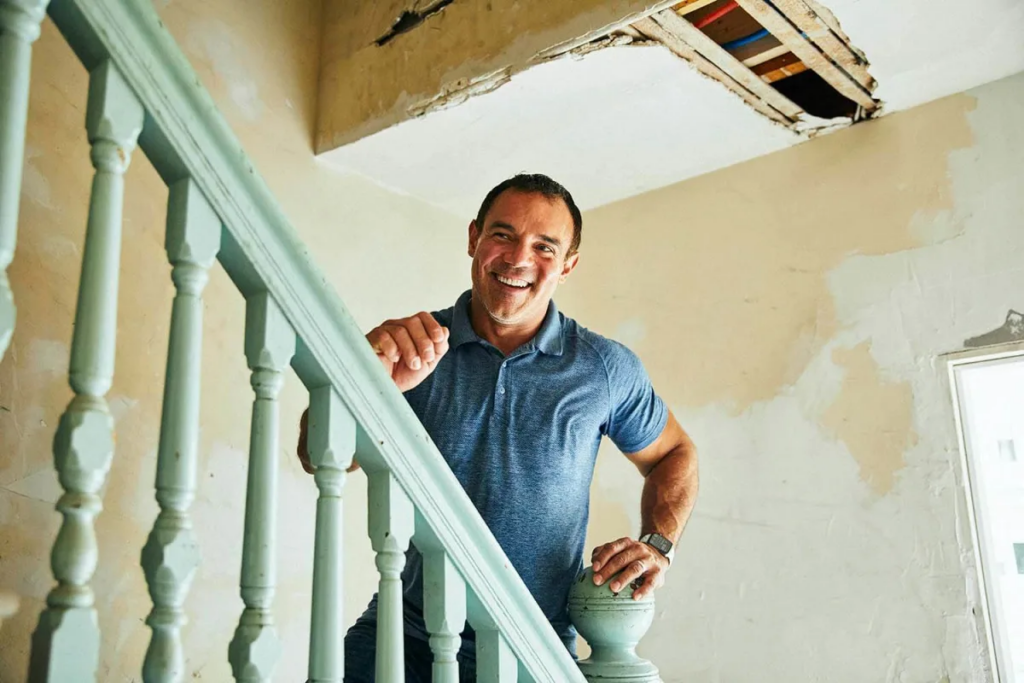
Thomas, Co-founder and renovation expert
Thomas has spent years in property and knows better than most how builder relationships can unravel. His take is clear: things can go wrong on a renovation – that’s normal and expected. What separates a trustworthy builder from a flight risk is how they handle it.
“Things can go wrong or get delayed during renovations,” he says, “but this doesn’t justify cutting contact and slinking off.” The real question to ask yourself isn’t whether your builder has ever had a hiccup, but whether they communicated it clearly and kept everything else on track. Were they telling you in advance about delays, and explaining what caused them? Were they sticking to their schedule on the parts of the project that weren’t affected? Were they easy to reach and proactive with updates?
A builder who communicates openly when things go wrong is a builder you can trust. One who goes quiet, even briefly, when the going gets tough is showing you exactly what they’ll do when things get harder.
Advice
When builders come for site visits, to understand the project and quote for your renovation project, ask them how they communicate and manage projects when delays or issues come up. Make sure that their answer aligns with your approach.
George, Pager Relationship Manager (aka, our chief vetter and liaison for all Pagers)
George heads up our Pager acquisition, meaning he spends a significant amount of his time evaluating builders; digging into their histories, learning about their experience, meeting them and reviewing actual projects, securing references and deciding who makes the cut into our Pager network.
His perspective is a sobering one: even a builder who seems great on the surface can run into trouble and disappear mid-project. But there are patterns that tend to show up early, if you know what to look for.
The first is communication. Not just during the project, but before it even starts. If a builder is frequently missing calls, rescheduling site visits, or turning up to your home in a rush before work has even begun, that’s not just inconvenient, it’s a window into how they manage their workload. Disorganisation before a project starts doesn’t magically disappear once they’re on site.
The second is company history. It’s worth doing your homework on any builder you’re considering. A dissolved company isn’t automatically a dealbreaker – businesses close for all kinds of reasons – but outstanding debts attached to that company are a different matter entirely. That’s a sign of someone who has already left clients or suppliers out of pocket, and it should give you serious pause.
Third: references. Good builders, really good ones, have clients who are genuinely happy to speak on their behalf. Not just a name and number that goes unanswered, but people who will pick up the phone and tell you why they’d hire them again. If a builder struggles to produce those references, or is vague about who you can speak to, read between the lines!
Advice
Do your homework on the key areas; business operations, references and communication/project management. Ask questions, look online, on Companies House and ask if you’re unsure. This extra investment upfront can secure a smooth project.
We have a highly rigorous vetting process for all Pagers that work with us, you can see the exact steps we go through here to make sure we only work with the best builders in London.
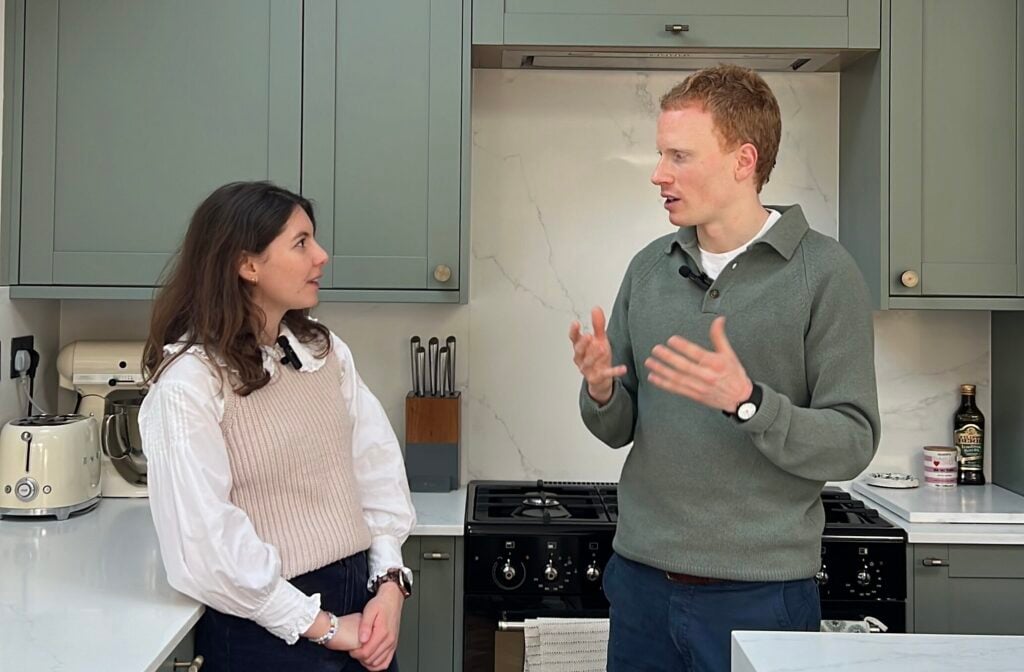
Henry, Co-founder, previously burned renovator and currently renovating his family home in North London
Henry’s answer gets to the root of why builders ghost in the first place; because understanding the cause makes the warning signs much easier to spot. “Builders usually ghost you mid-project,” he explains, “because they become overcommitted, realise they’re losing money on your project, or run into cash-flow issues.” In other words, it’s almost always about money or organisation – and both tend to leave traces from the very beginning.
The clearest early signal is over-promising. A quote that seems almost too competitive, or a timeline that sounds unrealistically short, should raise an eyebrow rather than a cheer. When a builder wins work by promising more than they can deliver, the maths always catches up with them, and it’s usually the client who pays for it.
Paperwork is another one. It can feel awkward to chase a builder for a contract, insurance documents, or formal references, especially when you’ve got a good rapport going. But delays in producing this kind of documentation aren’t a quirk of the trade. They’re a sign of weak business administration, and weak business administration is one of the clearest predictors of a project going off the rails.
Finally, watch how they talk about money. A builder who sticks to an agreed payment schedule, invoicing at the right milestones, not before, is a builder who is financially organised and not under pressure. One who starts pushing for early payments, or who seems uncomfortable when you ask questions about the payment plan, may well be managing cash-flow problems that will eventually become your problem too.
Advice
This is a business relationship. Lots of homeowners prioritise rapport, thinking that a friendly relationship is the best way to ensure success. It isn’t. Having a documented relationship with clear and realistic expectations from day one is a must.
So, what are a builder’s red flags and how do you spot them when planning a renovation?
Reading back through these answers, what strikes us is just how much due diligence is involved in choosing a builder you can genuinely trust. We’re talking about checking company histories, scrutinising quotes for red flags, chasing references (and actually calling them), monitoring communication patterns before a project even starts, reviewing payment schedules and paperwork. All of that before a single piece of work begins.
For most homeowners, this is territory they’ve never had to navigate before. It’s not intuitive, it’s not quick, and it’s certainly not what you’re thinking about when you’re excitedly planning a new kitchen or loft conversion. But it matters enormously because getting it wrong doesn’t just cost money. It costs time, stress, and the kind of trust that’s very hard to rebuild once it’s gone.If you’d like to know more about how we approach this at The Page, and the process we go through to make sure every builder on our platform is who they say they are, you can read more on our website, in our Vetting Process. Or if you’re ready to start your renovation, get in touch and we’ll support you to renovate with confidence.
Henry Brook
March 9, 2026Tags
Renovate the savvy way
- Simplified process with support throughout
- Pay the right price for proven Pagers
- Transparent pricing & timelines
SHARE THIS ARTICLE