Back to blog
How do I protect myself from a renovation going over budget and over time?

Henry Brook
February 2, 2026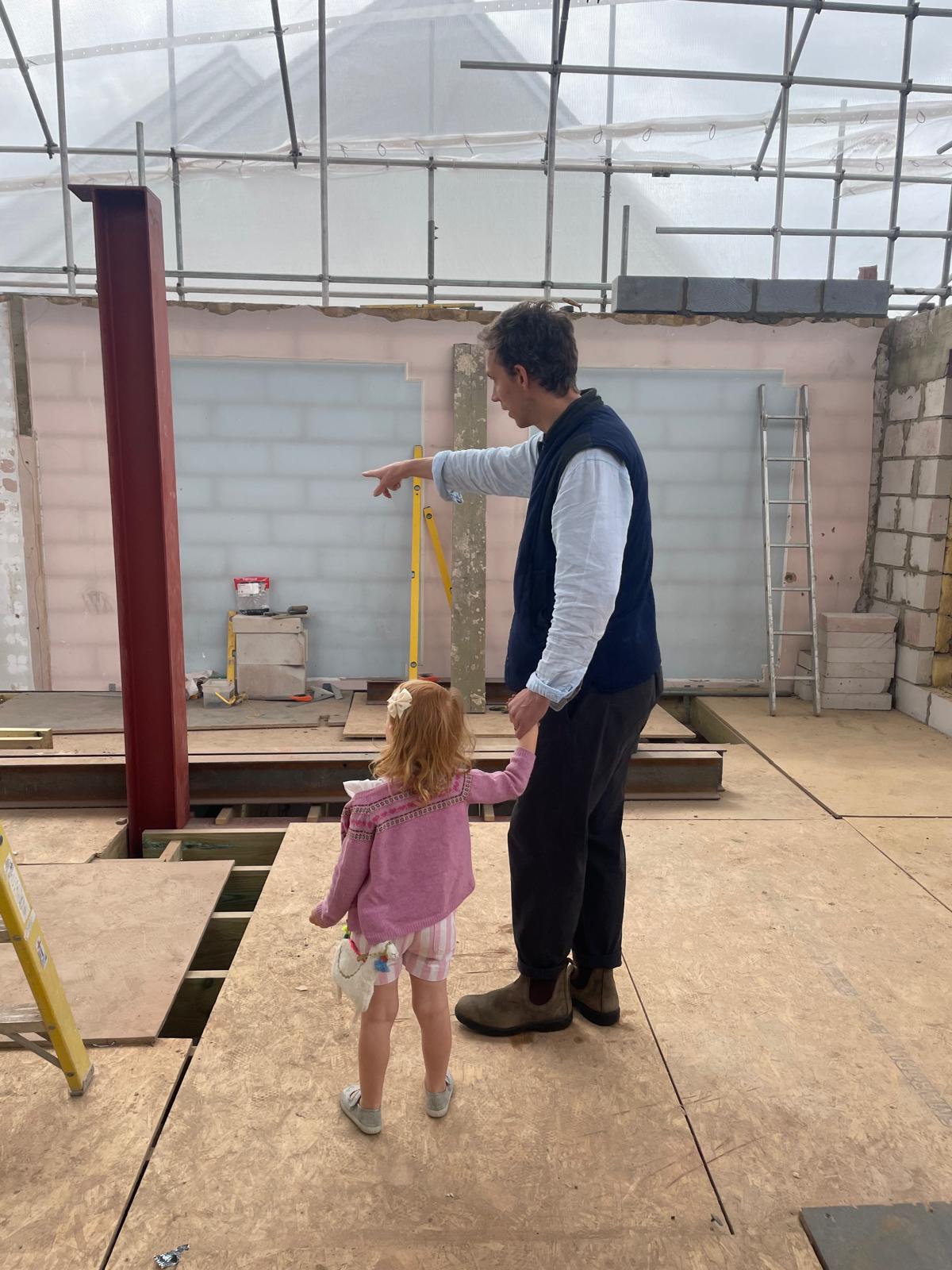
If there’s one question that keeps homeowners up at night, it’s this one. The anxiety around budget and timeline isn’t just about money or inconvenience – it’s about feeling out of control over something that’s meant to improve your life, not consume it.
This week, I asked Henry to share his take on this. He’s not just our co-founder, he’s also right in the middle of renovating his own home with his wife, Dizzy. Yes, he works in the industry, but he’s also living the same stress you might be feeling right now. The late-night budget spreadsheets, the “did we make the right decision?” moments, the constant mental maths of contingency funds. He gets it because he’s doing it too.
Here’s what Henry’s learned both from helping hundreds of London homeowners and from managing his own project.
Have a detailed Schedule of Works (SoW)
This isn’t just a nice-to-have document, it’s your renovation insurance policy. For bathroom projects, you’re looking at at least 10-15 line items. For extensions, multiple pages. Yes, it takes time to create, but it’s time that pays you back tenfold. Here at The Page, we understand that this is a huge undertaking, that’s why a SoW is something that we offer as part of our service.
A proper Schedule of Works means that your quotes are actually comparable. You’re not trying to figure out why one builder quoted £130,000 and another quoted £160,000 when you can’t tell what’s actually included in either. With a detailed SoW, you know exactly what you want done and how you want it done, which gives you a much stronger foundation for the entire project.
Why does this matter so much? Because it creates accurate pricing. On larger projects, your Pager isn’t guessing based on drawings, they know exactly what you want and can price accordingly. There’s far less risk of builders underpricing to win the job, only for costs to creep up once work starts. It also creates clear accountability. Everyone knows what’s included in the initial quote, what items your Pager is providing, and what’s your responsibility. No confusion, and no finger-pointing when questions come up.
It also helps track your project timeline more effectively. You can see progress against actual deliverables and coordinate between your Pager and their sub-contractors much more smoothly. And, perhaps most importantly, it reduces disputes. You and your Pager are completely aligned from day one, and if any disagreements or delays do crop up, you have a reference document that settles things quickly.
Get organised with your design
Make as many design decisions as possible upfront. Layout, materials, finishes, fixtures, appliances – all of it should be locked in before work starts. Because if you’re still picking tiles while the fitter is standing there waiting, the schedule slips and costs increase.
Now, here’s where Henry got really honest with me: “Look, I’m not the most organised person. I really can’t help it. But I/Dizzy(!) made us sit down and plan how we wanted the finished project to look, and we created a proper schedule for the renovation, with the help of The Page. And honestly? It’s helped so much. When I start feeling that anxiety creeping in about the budget or timeline, I can refer back to our plan. It minimises the worry because I know we’ve thought it through.”
That’s the thing – you don’t have to suddenly become someone you’re not. You just need to invest a small amount of time and money upfront to get organised about your renovation, even if organisation doesn’t come naturally to you. Future you will be incredibly grateful when you can track progress against an actual plan instead of just hoping everything comes together.
Keep an accurate budget
With a detailed Schedule of Works and your design decisions made, you’re in a much stronger position to know your actual working budget – not just what you’d ideally like to spend, but what you realistically need to spend.
Henry’s advice? Get nerdy with it. Track it, record it, document it so you can stay on top of it. Depending on your project size, you should be keeping around 10% contingency. Are budget spreadsheets boring? Absolutely. Are they necessary? Absolutely!
This is where the discipline pays off. When you know exactly where every pound is going, you’re not making panicked decisions halfway through the build. You’re making informed ones.
Here’s what we want you to know
At The Page, we’ll help you create that Schedule of Works. We’ll review your quotes and make sure you’re getting fair pricing. We’ll support you throughout the build and help you navigate any bumps in the road. But we’re not going to pretend we do everything for you – because we don’t, and we shouldn’t.
You’re renovating your home. We’re here to guide you, support you, and give you the tools and expertise to make smart decisions. But your diligence matters too. The homeowners who have the smoothest renovations are the ones who pair our support with their own organisation and involvement.
Yes, you need the right level of management. Yes, you need a great builder on side. But a homeowner being conscientious is still paramount to protecting from budget and timeline overruns. We assist you to renovate your home – and when we do that together, you get the results you actually want, on time and on budget.
Henry Brook
February 2, 2026Tags
Renovate the savvy way
- Simplified process with support throughout
- Pay the right price for proven Pagers
- Transparent pricing & timelines
SHARE THIS ARTICLE